Three years old is often called the golden age of imaginative play, and it is easy to see why. The three-year-old child is a creative powerhouse: inventing complex stories, assigning roles and characters to everything around them, and engaging in elaborate pretend play scenarios that can last for hours. Baby doll play at three reaches new heights of sophistication and depth, as children's developing language, social understanding and cognitive abilities allow them to build genuine narrative worlds around their dolls. If you are looking for the best baby dolls for 3-year-olds in the UK, this guide will give you everything you need to make a confident, developmentally informed choice.
How Three-Year-Old Children Play with Baby Dolls
The way a three-year-old plays with a baby doll is qualitatively different from how a younger toddler plays. Where an 18-month-old might rock a doll or bring it to their mouth, and a two-year-old might engage in simple feeding and dressing routines, a three-year-old constructs entire worlds around their doll. The doll has a name, a history, a family, preferences and a daily routine. The three-year-old manages the doll's life with remarkable creativity and detail, and their play sessions can involve extended narratives that draw on real-life experiences, books they have read, things they have observed and the full power of their rapidly growing imagination.
Language is central to this play. Three-year-olds talk constantly during their doll play: to the doll, about the doll, on behalf of the doll and in response to imaginary things the doll says. This language generation is one of the most powerful vocabulary-building and language-practice activities available to children of this age, and it happens naturally and spontaneously through play without any need for structured instruction.
Social development is also powerfully supported by baby doll play at three. Children at this age are beginning to navigate the complex social world of peer friendships, nursery group dynamics and sibling relationships. Playing out social scenarios with their doll, including disagreements, making up, sharing and taking turns, helps children understand and manage these challenges in a safe, low-stakes environment.
- Extended narrative play: Three-year-olds build complex stories around their dolls
- Rich language generation: Constant talking, narrating and dialogue during play
- Social scenario practice: Playing out friendship, family and caregiving dynamics
- Emotional processing: Using doll play to work through feelings and experiences
- Creative problem solving: Managing the "needs" of the doll in imaginative ways
- Increasing independence: Managing the play environment autonomously for longer periods
Choosing the Right Baby Doll for a Three-Year-Old
The right baby doll for a three-year-old has several distinctive characteristics that set it apart from dolls designed for younger toddlers. Three-year-olds are past the stage where every object goes into the mouth, so the range of appropriate dolls is somewhat broader, but quality and developmental value remain the most important considerations.
Realism and Detail
Three-year-olds are sophisticated enough to appreciate and respond to more detailed, realistic dolls than younger children. The more realistic the doll's appearance, the richer the nurturing and imaginative play it inspires. Hand-painted features, realistic proportions and quality materials all contribute to the sense that the doll is a genuine baby rather than a simple toy, and this sense of reality deepens the child's engagement with the doll and the scenarios they create around it.
Dressable Clothing
By three, children have the fine motor skills to manage more complex clothing items than simple slip-on outfits. A doll with removable clothing that includes simple fastenings, like velcro, poppers or easy-pull zips, provides an extra layer of fine motor challenge and satisfaction that three-year-olds are ready to appreciate. The experience of successfully dressing and undressing the doll's more complex outfit is a genuine achievement that builds confidence and competence.
Appropriate Size
A 28 to 30 cm doll remains ideal for three-year-olds, as this size fits comfortably in the full BabyDolls accessories range and is a realistic representation of a baby. Some three-year-olds who are devoted doll players begin to want a slightly larger doll for more elaborate play scenarios, and this is entirely appropriate, provided the doll remains CE marked and age-appropriately designed.
Top Baby Dolls for 3-Year-Olds Available in the UK
The BabyDolls range offers several outstanding options for three-year-olds, each with the quality, realism and play value that this age group demands.
Mia Baby Doll
Mia continues to be a favourite at three, particularly for children who have not yet had their first baby doll. Her realistic features, soft body and removable outfit provide the perfect foundation for the elaborate imaginative play that three-year-olds engage in. Children who received Mia as their first doll at 18 months or two years often show renewed interest in her at three, as their developing imaginative capacities allow them to play with her in entirely new ways.
Twin Baby Dolls Set
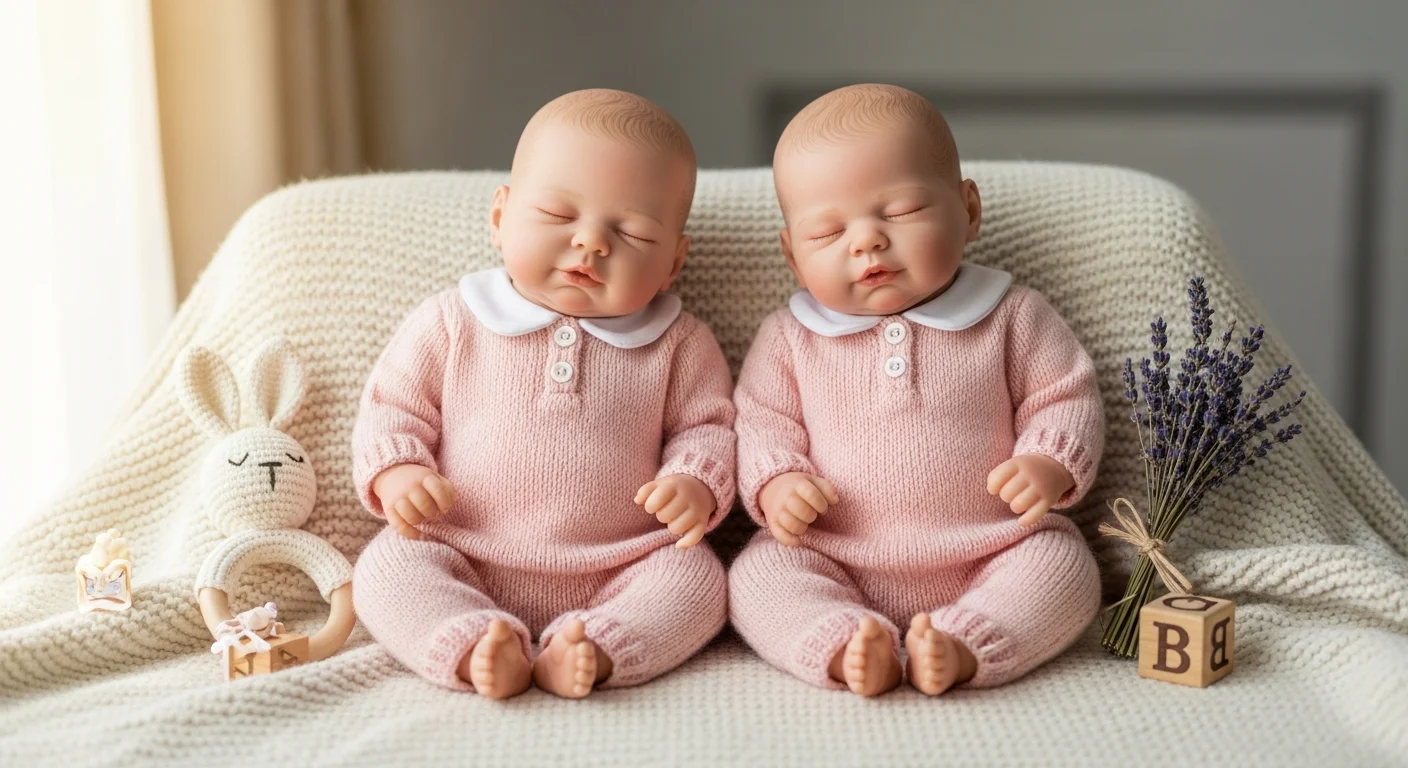
The Twin Baby Dolls Set is particularly popular with three-year-olds who are ready for the additional narrative complexity of caring for two babies simultaneously. Managing twins, deciding which baby needs attention first, creating different personalities for each twin and including both in the day's activities are all rich imaginative challenges that three-year-olds delight in.
Bella Baby Doll
Bella's striking blue eyes and beautiful presentation make her a particularly special gift for a three-year-old who appreciates the aesthetic quality of their toys. At three, children are beginning to form strong aesthetic preferences and may have specific ideas about what they want their doll to look like. Bella's distinctive appearance often makes her the clear choice for children who respond strongly to blue-eyed dolls.
The Best Baby Doll Accessories for Three-Year-Olds
Three-year-olds are ready for the full range of BabyDolls accessories, and a complete nursery setup will provide the richest possible play environment for this age group.
The Baby Doll Pram remains a favourite at three, but the way three-year-olds use it is qualitatively different from how two-year-olds engage with the same accessory. Three-year-olds incorporate the pram into extended narrative play: they are going to the park, to the shop, to visit a friend. The pram becomes a prop in a larger story rather than simply an object to push, and this narrative use makes it even more developmentally valuable than the physical play it supports.
The Baby Doll High Chair, Baby Doll Swing and Baby Doll Playpan together create what many families call a "complete nursery," a dedicated play area where the child manages their doll's entire daily routine from waking up and playing to eating and sleeping. Three-year-olds love this kind of comprehensive, sequential play, and the complete nursery setup provides the richest possible environment for it.
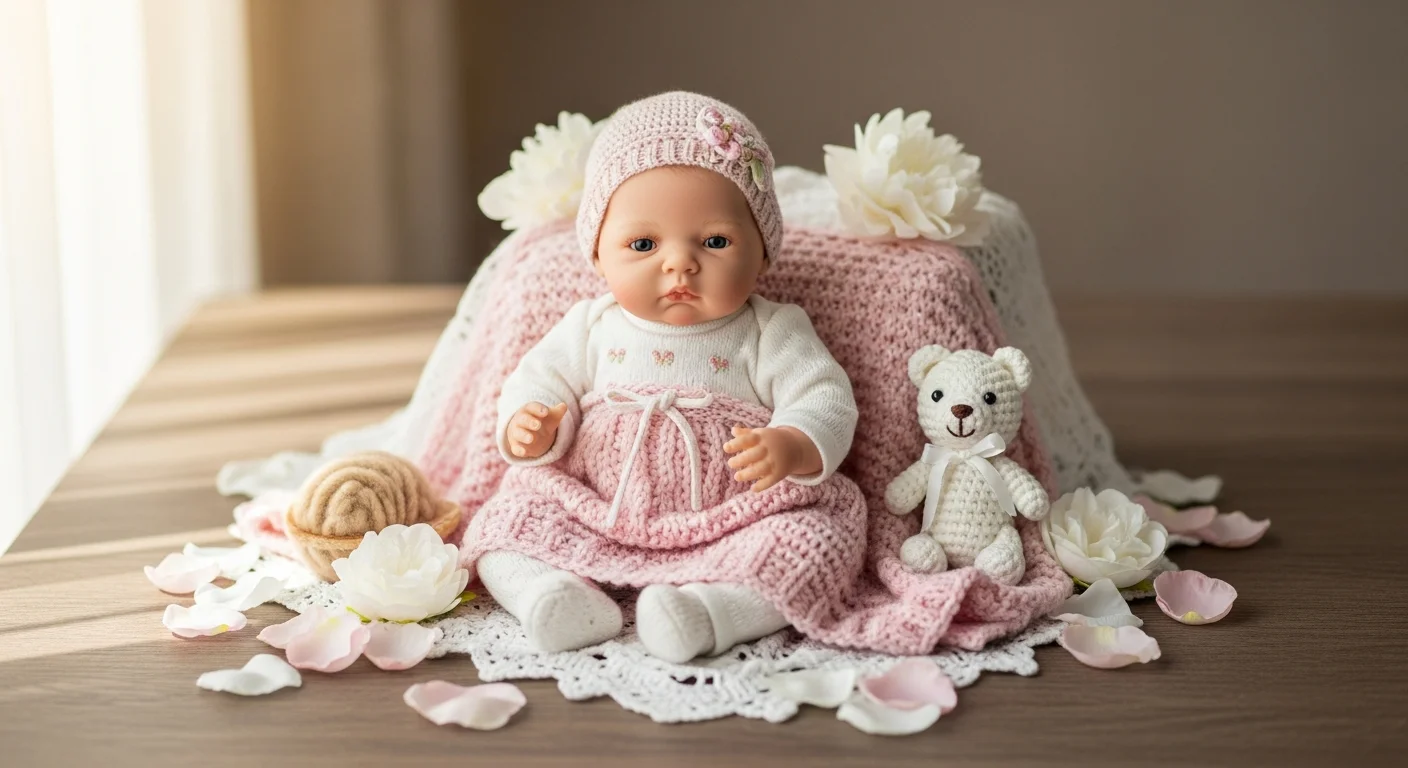
Baby Doll Play and Pre-School Readiness
One of the most valuable things about baby doll play for three-year-olds is the way it directly supports pre-school and school readiness. Children who have had rich doll play experiences in their early years consistently demonstrate stronger social and emotional skills when they begin nursery and school, because the play has given them extensive practice in the very capacities that school life demands.
The ability to sustain a play scenario, to take turns and to include others in imaginative games, to manage feelings of frustration when things do not go as planned, to care for and be responsible for something, and to communicate needs and feelings through language are all skills that baby doll play develops directly and that school readiness assessments measure. Parents who invest in quality baby doll play in the three-year-old year often find that the transition to nursery and reception is smoother and more positive as a result.
- Sustained attention: Extended play scenarios build the concentration skills school requires
- Social negotiation: Playing with others around a shared doll scenario builds cooperation
- Emotional literacy: Naming and responding to the doll's "feelings" builds emotional vocabulary
- Responsibility: Managing the doll's needs builds the routine and responsibility school expects
- Communication: Rich narrated play builds the language skills school demands
- Independence: Managing their own play environment builds the self-sufficiency nursery requires
Frequently Asked Questions
What kind of baby doll is best for a 3-year-old?
Three-year-olds benefit most from a realistically detailed baby doll with a soft body, removable clothing and enough character to support the elaborate imaginative play scenarios they are developing. A doll of around 28-30 cm is the ideal size for this age group.
Should a 3-year-old's baby doll have interactive features?
Interactive features like sounds can add an extra dimension of fun for three-year-olds, but simple dolls without electronic components are equally valuable and arguably more creatively stimulating, as they require children to generate the doll's responses themselves through imaginative play.
Is the Twin Baby Dolls Set appropriate for a 3-year-old?
Yes. Three-year-olds are developmentally ready for the added complexity of managing two dolls, and the twin scenario provides rich imaginative challenges that single-doll play cannot. The Twin Baby Dolls Set is a particularly popular gift choice for this age group.
How much should I spend on a baby doll for a 3-year-old?
Quality baby dolls that will stand up to years of enthusiastic play typically start at around £20-25 for a well-made soft-body doll. Spending more typically gets you greater detail, higher-quality materials and better long-term durability. The BabyDolls range offers excellent value at every price point.
Is baby doll play still appropriate for older 3-year-olds?
Absolutely. The developmental benefits of baby doll play continue throughout the pre-school years and well into the early school years. Three-year-olds at the older end of the age range often engage in some of the most sophisticated and creatively rich doll play of their entire childhood.
Can I buy a baby doll as a birthday gift for a 3-year-old?
A baby doll is one of the most consistently well-received birthday gifts for three-year-olds, particularly when paired with one or more accessories that extend the play possibilities. The BabyDolls range is beautifully presented and makes an excellent birthday gift for this age group.
How can I support my 3-year-old's baby doll play?
Join the play, follow your child's lead, introduce new scenarios and challenges, read books that complement the play themes, and create a dedicated nursery space for the doll and accessories. Three-year-olds thrive with engaged, responsive play partners who build on their imaginative ideas.
Practical Tips for Getting the Most From Baby Doll Play
Understanding the benefits of baby doll play is one thing, but knowing how to support and encourage it in your own home is equally important. These practical suggestions will help you create an environment where your child can get the maximum developmental benefit from their doll play experiences.
- Set aside at least 15 to 20 minutes each day for uninterrupted doll play. Children benefit most from play that is sustained and unrushed, giving them the time to develop complex narratives and explore different scenarios without pressure.
- Encourage your child to care for their doll as part of daily routines. Including the doll at mealtimes, during bedtime routines and on family outings helps children practise real-world social skills in a natural, playful context.
- Use doll play as a bridge for difficult conversations. If your child is starting nursery, visiting the dentist or expecting a sibling, acting out these scenarios with a doll can reduce anxiety and build understanding in a safe, controlled way.
- Take photos of your child's doll play and create a simple play journal together. Looking back at past play scenarios supports memory development, narrative skills and provides a lovely record of your child's imaginative growth.
- Create a dedicated play space in your home where your child's dolls and accessories are always accessible. A low shelf or basket where they can see and reach their toys independently encourages spontaneous play throughout the day.
- Introduce simple problem-solving scenarios into doll play. Suggest that the doll is feeling poorly, has lost a shoe or cannot reach a toy. Watch how your child responds and gently support them in finding creative solutions.
Remember that every child approaches doll play differently. Some will be drawn to nurturing and caring scenarios, while others prefer adventure and exploration. Both approaches are equally valuable, and the best thing you can do as a parent or carer is to support whatever direction your child's imagination takes them.
 SAVE 50%
Mia is a beautiful 28 cm soft-body baby doll with a removable outfit, safe for children aged 18 months and above. A firm favourite across the UK.
Understanding the UK Market for Baby Dolls and Accessories
The UK toy market has evolved significantly in recent years, with parents increasingly seeking toys that combine play value with genuine developmental benefits. Baby dolls remain one of the most consistently popular categories, with UK sales growing steadily as research continues to highlight the educational and emotional value of nurturing play.
When shopping for baby dolls in the UK, safety should always be your first priority. All toys sold in the UK must carry the CE marking, which confirms compliance with the Toy Safety Directive. This covers everything from material safety and small parts testing to chemical content and mechanical durability. At BuyBabyDolls.com, every product in our range meets or exceeds these requirements, giving you complete confidence in the quality and safety of your purchase.
UK parents are also increasingly conscious of sustainability and ethical manufacturing. Many families now look for dolls made from recyclable or sustainable materials, with transparent supply chains and responsible production practices. This shift reflects a broader awareness of environmental issues and a desire to model responsible consumption for the next generation.
Price is naturally a consideration for most families, and the good news is that high quality baby dolls are available across a wide range of price points. You do not need to spend a fortune to find a doll that will provide years of developmental play. What matters most is choosing a doll that is well made, safe and appropriate for your child's age and interests. Our range at BuyBabyDolls.com includes options to suit every budget, from affordable starter dolls to premium sets with multiple accessories.
The UK also has a strong tradition of supporting children's play through the Early Years Foundation Stage (EYFS) framework, which recognises imaginative and role play as essential components of early childhood education. Baby doll play aligns directly with several EYFS learning areas, including Personal, Social and Emotional Development, Communication and Language, and Physical Development. This makes baby dolls not just a toy purchase, but an investment in your child's education.
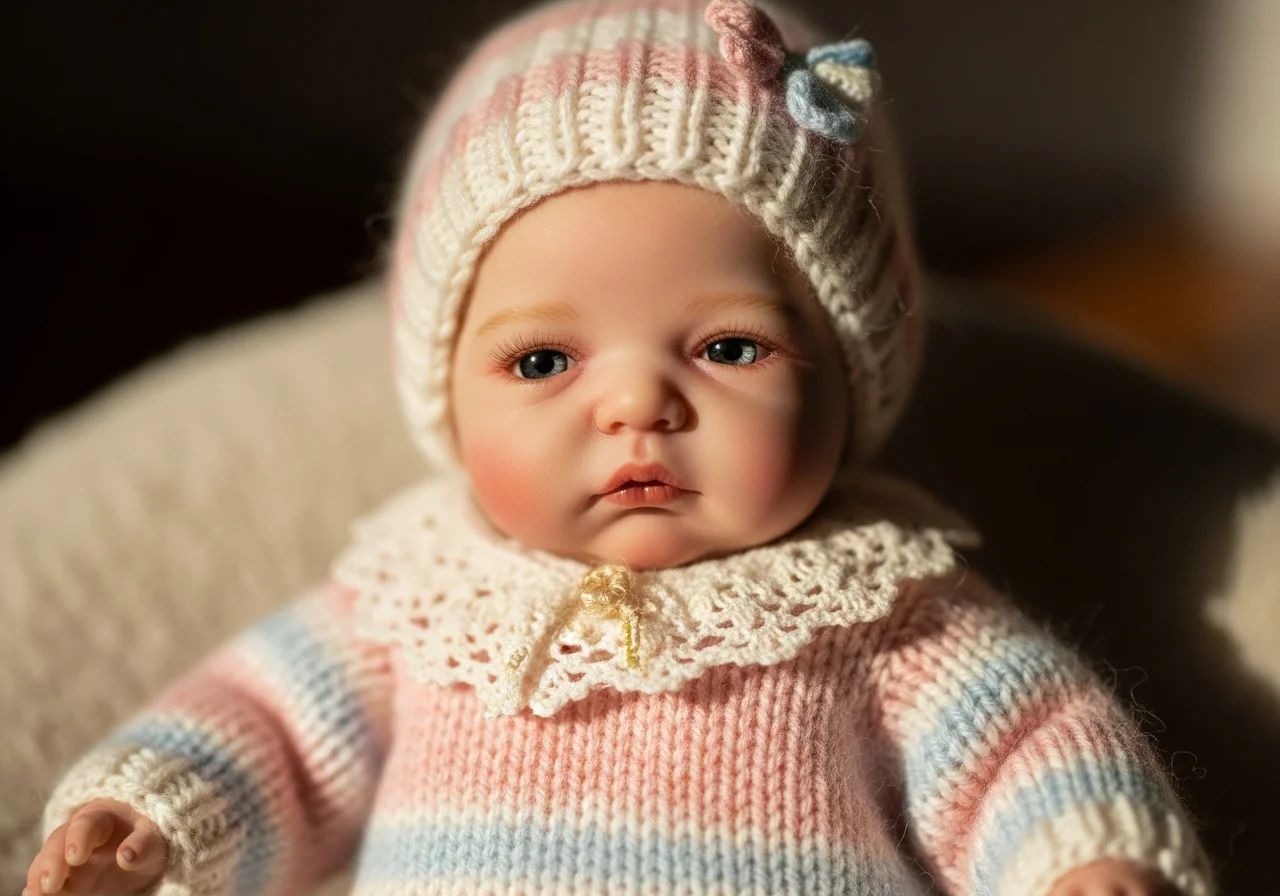
A Deeper Look at Child Development Through Doll Play
The developmental benefits of baby doll play extend far beyond what many parents initially realise. While most people understand that dolls encourage nurturing behaviour, the full picture is much richer and more scientifically grounded than casual observation might suggest.
Cognitive Development and Executive Function
When children engage in doll play, they are exercising their executive function skills, which are the mental processes that help us plan, focus attention, remember instructions and manage multiple tasks. Creating a play scenario requires a child to hold a narrative in mind, sequence events logically, adapt when things change and shift between different character perspectives. These are exactly the skills that predict academic success in later years.
Research from the University of Cambridge has shown that children who engage regularly in pretend play, including doll play, demonstrate stronger working memory and cognitive flexibility than children who primarily engage in structured, rule-based activities. This does not mean structured activities are not valuable, but it highlights the unique cognitive workout that imaginative play provides.
Language and Communication Skills
Doll play is one of the richest natural contexts for language development. When children talk to their dolls, narrate play scenarios and engage in dialogue between characters, they are practising vocabulary, sentence structure, conversational turn-taking and narrative skills. Studies have consistently shown that children who engage in regular pretend play develop larger vocabularies and more sophisticated language structures than their peers.
This is particularly significant for children who may be slower to develop language skills. The low-pressure, self-directed nature of doll play creates an environment where children feel safe to experiment with words and expressions without the social anxiety that can accompany conversations with adults or peers.
Emotional Regulation and Resilience
Perhaps one of the most valuable developmental functions of doll play is its role in helping children process and regulate their emotions. When a child acts out scenarios involving sadness, frustration, fear or excitement with their doll, they are developing the emotional vocabulary and coping strategies that will serve them throughout their lives.
Child psychologists frequently observe that children who have experienced stressful events will naturally gravitate towards doll play as a way of processing their experiences. The doll becomes a safe proxy through which the child can explore difficult feelings without direct personal exposure. This is why doll play features so prominently in play therapy approaches used by professional child therapists across the UK.
Seasonal Ideas for Baby Doll Play Throughout the Year
One of the wonderful things about baby doll play is how naturally it adapts to different seasons and occasions. Here are some ideas for keeping doll play fresh, engaging and connected to the world around your child throughout the year.
Spring and Easter
Spring is a perfect time for outdoor doll play. Take dolls on nature walks, create a spring garden for them or organise a doll's Easter egg hunt. You could also use this season to introduce themes of new life and growth, connecting doll play to the natural world and encouraging observation and curiosity about the changing seasons.
Summer Adventures
Summer opens up wonderful opportunities for water play with bath dolls, garden picnics, and outdoor adventures. Pack a bag for the doll when going on family outings and encourage your child to care for their doll in different environments. Summer is also a great time for social doll play, with playdates and garden parties providing opportunities for cooperative play with other children and their dolls.
Autumn and Back to School
As the weather turns and children return to nursery or school, doll play can help ease the transition. Set up a pretend classroom for dolls, practise school routines through play and use the doll as a tool for discussing feelings about new experiences. Autumn is also a lovely time for cosy indoor play, with dolls being tucked into blankets and cared for during imaginary rainy days.
Winter and Christmas
Winter brings opportunities for festive doll play, from wrapping presents for dolls to including them in family celebrations. A new doll or accessory makes a wonderful Christmas gift, and the excitement of the season provides rich material for imaginative play scenarios. Winter is also a time when the comfort of a beloved doll is especially meaningful for young children.
How Baby Doll Play Evolves at Different Ages
Understanding how children engage with baby dolls at different stages of development helps you provide the right support and resources at each age. While every child is unique, there are general patterns that most children follow as their play becomes increasingly sophisticated.
18 Months to 2 Years: Exploration and Imitation
At this age, children are primarily engaged in simple imitative play. They will copy actions they have observed, such as feeding, rocking and cuddling a doll. Play tends to be brief and focused on single actions rather than sequences. The best dolls for this age are soft bodied, simple and easy to hold. Our Mia Baby Doll is particularly popular with families at this stage because of her gentle features and manageable size for small hands.
2 to 3 Years: Emerging Narratives
By age 2, children begin to link play actions into simple sequences. They might feed the doll, then put it to bed, then wake it up again. Language starts to accompany play more consistently, and children begin to attribute emotions to their dolls. This is when accessories like the Baby Doll Pram become particularly valuable, as they add new dimensions to play narratives.
3 to 5 Years: Rich Imaginative Play
This is often considered the golden age of doll play. Children create elaborate scenarios, develop consistent characters, engage in extended dialogue and incorporate dolls into complex social play with peers. They may assign names, personalities and histories to their dolls, and play sessions can last for extended periods. Multiple accessories such as the Baby Doll High Chair and Baby Doll Swing help support these richer play narratives.
5 to 7 Years: Sophisticated Social Play
Older children use dolls as characters in increasingly complex social dramas. They explore themes of friendship, fairness, rules and relationships through their play. Doll play at this age often involves cooperative scenarios with siblings or friends, and children may begin to create elaborate environments and ongoing storylines that develop over days or weeks.
Common Mistakes Parents Make With Baby Doll Play
Even well-intentioned parents can sometimes inadvertently limit the developmental value of their child's doll play. Being aware of these common mistakes can help you create a more supportive and enriching play environment.
- Over-directing the play: It is natural to want to show your child how to play, but too much direction can actually limit their creativity and problem-solving. Try to follow your child's lead and let them drive the narrative. Your role is to be an engaged, responsive play partner rather than a play director.
- Limiting doll play to one gender: Research consistently shows that boys benefit just as much from nurturing doll play as girls. Baby dolls help all children develop empathy, emotional intelligence and caring skills regardless of gender. Encouraging doll play for all children is supported by child development experts across the UK.
- Choosing complexity over appropriateness: It can be tempting to buy the most feature-rich doll available, but simpler dolls often provide more developmental value. A doll that does everything for the child leaves little room for imagination. Choose dolls that are appropriate for your child's age and developmental stage, and let their imagination fill in the gaps.
- Neglecting to refresh the play environment: Children can lose interest if their play options never change. Rotating accessories, introducing new scenarios and occasionally adding a new item to the play collection helps maintain engagement and encourages new types of play.
- Not joining in: One of the most powerful things a parent can do is participate in their child's doll play. Your presence validates the importance of the play, models more sophisticated play techniques and strengthens the bond between you and your child. Even 10 minutes of engaged, responsive participation can make a significant difference.
- Comparing your child's play to others: Every child develops at their own pace and has their own play style. Some children are naturally drawn to nurturing play, while others prefer action and adventure with their dolls. Both approaches are equally valuable, and the worst thing a parent can do is suggest that there is a right or wrong way to play.
The most important thing to remember is that doll play should be enjoyable, child-led and free from pressure. When children feel safe and supported in their play, they naturally gravitate towards the kinds of experiences that support their development.
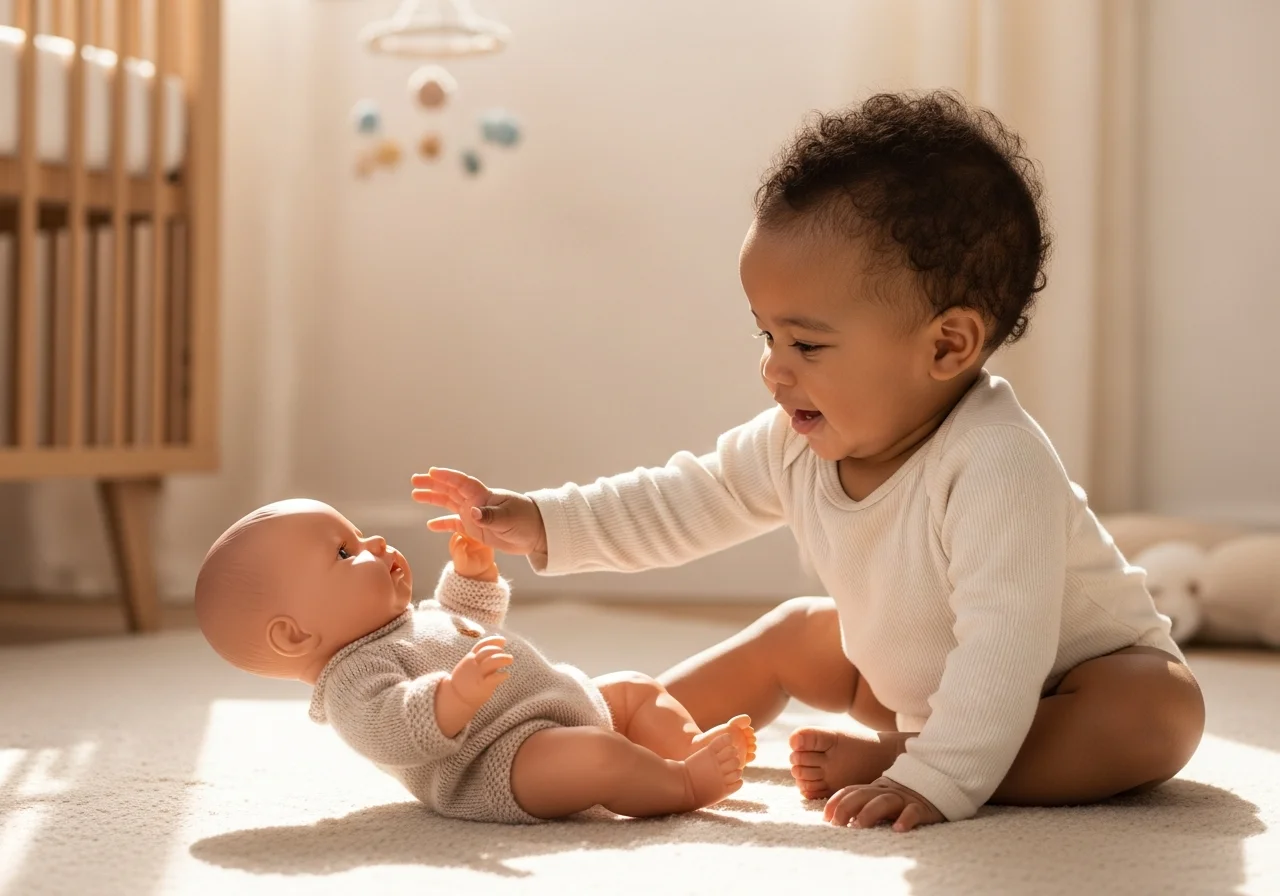
What Child Development Experts Say About Baby Doll Play
The value of baby doll play is not just anecdotal. It is supported by a growing body of research and endorsed by child development professionals across the UK and internationally. Understanding what the experts say can help you feel confident in the choices you make for your child's play experiences.
Developmental psychologists have long recognised that pretend play is not simply entertainment for young children. It is one of the primary mechanisms through which children learn about themselves, others and the world around them. Baby doll play is particularly valued because it provides a safe, controllable context for exploring complex social and emotional themes.
The Early Years Foundation Stage framework, which guides early childhood education across England, explicitly recognises the importance of imaginative play in children's learning and development. Baby doll play aligns with multiple areas of the EYFS, including Communication and Language, Personal, Social and Emotional Development, Physical Development and Understanding the World.
Occupational therapists working with young children frequently incorporate doll play into their practice. The fine motor demands of dressing dolls, fastening buttons, manipulating accessories and managing small items provide valuable exercise for the small muscles of the hands and fingers. These are the same muscles that children will need for writing, drawing and other academic tasks in later years.
Speech and language therapists also recognise the value of doll play for supporting communication development. The natural narrative structure of doll play, where children create characters, describe actions and generate dialogue, provides a rich and motivating context for language practice. This is especially valuable for children who may be reluctant to engage in more formal language activities.
Creative Play Ideas to Try at Home
Sometimes all it takes is a simple suggestion to spark a whole new direction in your child's doll play. Here are some creative play ideas that you can introduce at home to keep doll play fresh, engaging and developmentally rich.
- Doll's Day Out: Pack a small bag with essentials for the doll and take them on a family outing. Your child can practise packing, planning and caring for their doll in different environments. Whether it is a trip to the park, a visit to the shops or a day at the beach, including the doll adds a wonderful layer of imaginative play to everyday activities.
- Baby Doll Clinic: Set up a simple pretend doctor's surgery where your child can examine their doll. This is a wonderful way to prepare children for real medical visits and helps them process any anxiety about doctors, dentists or hospitals. Use simple props like a toy stethoscope, bandages and a notepad for prescriptions.
- Bedtime Routine Role Play: Encourage your child to create a complete bedtime routine for their doll, including a bath, pyjamas, teeth brushing, a bedtime story and tucking in. This not only supports your child's own bedtime routine but also develops sequencing skills and an understanding of daily structure.
- Cooking and Mealtimes: Use play food and the Baby Doll High Chair to create mealtimes for the doll. Children can prepare pretend meals, set the table, feed the doll and clean up afterwards. This type of play supports numeracy through counting and sorting, social skills through sharing and turn-taking, and domestic life skills.
- Doll School: Set up a small classroom where your child can teach their dolls. This is particularly effective for children who are starting nursery or school, as it allows them to process the experience from a position of confidence and control. Provide paper, crayons and simple books for the doll's lessons.
- Outdoor Nature Walk: Take the doll in the Baby Doll Pram for a nature walk. Point out flowers, birds, leaves and other natural features, and encourage your child to show these things to their doll. This combines physical activity, nature connection and imaginative play in a single activity.
The beauty of these play ideas is that they require very little equipment or preparation. The most important ingredient is your willingness to engage with your child's imagination and follow their lead as they create their own unique play worlds.
 SAVE 50%
Bella is a beautiful 28 cm baby doll with sparkling blue eyes and a fair complexion, crafted with a soft huggable body for safe, loving play from 18 months.
Safety Considerations for Baby Dolls and Accessories
Safety should always be the first consideration when choosing any toy for a young child. Here is what you need to know about baby doll safety in the UK.
All toys sold in the UK must comply with the Toy Safety Regulations 2011 (as amended) and carry the UKCA or CE marking. This confirms that the product has been tested and meets requirements for physical and mechanical properties, flammability, chemical properties and electrical properties where applicable. When you purchase from BuyBabyDolls.com, you can be confident that every product meets these standards.
For children under 3 years of age, it is particularly important to check for small detachable parts that could present a choking hazard. Look for dolls with securely attached eyes, noses and clothing that cannot be easily removed and swallowed. Fabric bodies are generally safer for very young children than hard plastic dolls with multiple small accessories.
Materials matter too. Look for dolls made from hypoallergenic materials, free from BPA, phthalates and other harmful chemicals. The best manufacturers use food-grade vinyl for doll heads and limbs and non-toxic, washable fabrics for bodies and clothing. All products in the BuyBabyDolls.com range use safe, tested materials that meet or exceed current UK and EU requirements.
Regular inspection of dolls and accessories is good practice. Check for loose threads, damaged stitching, cracks in vinyl parts and any signs of wear that could create sharp edges or small pieces. Replace or repair damaged items promptly, and always follow the manufacturer's age recommendations.
Organising and Storing Baby Dolls and Accessories
A well-organised play space encourages independent play and helps children develop good habits around tidying and caring for their belongings. Here are some practical suggestions for storing baby dolls and their accessories.
Low, open shelves are ideal for doll storage because they allow children to see their toys and access them independently. Placing dolls at child height encourages spontaneous play and gives children a sense of ownership over their play space. Baskets or bins on the shelves can hold smaller accessories, clothing and feeding sets.
Consider creating themed storage zones. You might have a sleeping area with doll beds and blankets, a feeding area with high chairs and play food, and an outing area with prams and bags. This not only keeps things organised but also inspires play scenarios by grouping related items together.
Involve your child in the organisation process. Let them decide where things go, label storage containers with pictures or words, and make tidying up part of the play routine rather than a separate chore. Many children enjoy putting their dolls to bed at the end of the day as a natural way to conclude their play and transition to their own bedtime routine.
Rotating toys is another effective strategy. Rather than having everything available at once, keep some dolls and accessories stored away and rotate them every few weeks. This keeps the play environment feeling fresh and novel, and children are often more engaged and creative when they are reunited with toys they have not seen for a while.

Getting the Best Value When Buying Baby Dolls
You do not need to spend a fortune to give your child a wonderful doll play experience. With thoughtful shopping and a focus on quality over quantity, you can build a fantastic play collection that provides years of developmental value.
Start with one good quality doll rather than several cheaper ones. A well-made doll that your child bonds with will provide more play value than a collection of dolls that fall apart or fail to engage. Look for dolls with durable construction, secure stitching and materials that can withstand daily play and regular washing.
Build the accessory collection gradually over time. A pram, a high chair or a set of doll clothes makes a perfect birthday or Christmas gift, and spacing purchases out means your child has something new to look forward to and each addition refreshes the play experience. At BuyBabyDolls.com, we offer free delivery on orders over 40 pounds, which makes it easy to combine purchases for the best value.
Consider the cost per play hour rather than just the purchase price. A 20 pound doll that is played with daily for two years works out at just a few pence per hour of engaged, developmental play. Compare that to many electronic toys that lose their appeal within weeks, and the value of a quality baby doll becomes very clear indeed.
Look out for seasonal sales and gift sets that offer better value than buying individual items. At BuyBabyDolls.com, we regularly offer special promotions and bundle deals that make it even more affordable to give your child the gift of imaginative play.
Products From BuyBabyDolls.com That We Recommend
The quality of toys matters enormously when it comes to developmental play. Poorly made products can frustrate children and limit the play opportunities we have been discussing throughout this guide. At BuyBabyDolls.com, we stock only products that meet our rigorous standards for safety, durability and play value.
- Bella Baby Doll: Bella is a wonderfully detailed baby doll with lifelike features that encourage realistic role play. Her soft vinyl skin and gentle expression make her a comforting companion for children learning to care and nurture. Bella comes with her own outfit and is designed to be durable enough for everyday play while being gentle enough for the most tender moments.
- Daisey Baby Doll: Daisey is a charming 28 cm baby doll with a soft, huggable body and beautiful painted features. She is the perfect size for small hands and inspires nurturing play in children from 18 months onwards. Many parents tell us that Daisey quickly becomes their child's favourite companion for pretend feeding, sleeping and caring routines.
- Ellie Baby Doll: Ellie is designed to encourage imaginative play and emotional development in young children. With her realistic features and carefully crafted outfit, Ellie invites children into rich role play scenarios where they practise empathy, communication and caring skills. She is lightweight and easy for small children to carry, dress and cuddle.
- Mia Baby Doll: One of our most loved baby dolls, Mia features a beautifully soft body that is perfect for cuddles and nurturing play. Her expressive face and removable outfit make her an ideal first doll for toddlers and young children. Parents across the UK consistently praise Mia for her quality construction and the way children naturally bond with her during imaginative play sessions.
- Twin Baby Dolls Set: Our Twin Baby Dolls Set doubles the fun and doubles the developmental benefits. Children who play with twin dolls naturally develop more complex social scenarios, practise sharing and taking turns, and build more elaborate imaginative narratives. This set is particularly popular with families preparing a child for a new sibling.
- Baby Doll High Chair: Our Baby Doll High Chair transforms mealtimes into rich imaginative play experiences. Children love seating their dolls, preparing pretend meals and practising the social rituals of family dining. This accessory encourages role play, fine motor skills and social development, and is built to last through years of daily play.
- Baby Doll Playpan: The Baby Doll Playpen gives children a designated space for their doll, encouraging organisational thinking and domestic role play. Children who use a playpen in their doll play often develop more structured play narratives and practise the kind of routines they observe in their own family life.
We are proud to offer a carefully curated range that balances quality, safety and play value. Explore our full collection to find exactly what your child needs for rich, rewarding doll play.
Related Articles You Might Enjoy
We have written extensively about baby dolls, child development and play-based learning on our blog. These related articles dive deeper into topics that connect with the themes in this guide.
- Best Baby Dolls for 2-Year-Olds UK 2025: Expert Buying Guide for Parents
- Best Baby Dolls for 4-Year-Olds UK 2025: Creative Play Picks for Parents
- Best Baby Dolls for 5-Year-Olds UK 2025: Inspiring Play for the Pre-School and Early School Years
- Best Baby Dolls for 6-Year-Olds UK 2025: Top Picks for Creative Children
- The Best Baby Dolls of 2025: Our Expert Round-Up for UK Parents
- Best Baby Dolls for 7-Year-Olds UK 2026: Creative Play for the Early School Years
- Best Baby Dolls for 18-Month-Olds UK 2025: The Complete Parent's Guide
- The Best Baby Dolls for Grandparents to Buy in 2026: Age by Age Recommendations
Final Thoughts
The age of three is one of the most exciting and rewarding stages for baby doll play, and investing in a quality doll and a thoughtful selection of accessories at this age will pay developmental dividends that extend well beyond the pre-school years. The BabyDolls range offers dolls and accessories that are specifically designed for the developmental needs and creative capacities of three-year-olds, with safety, quality and play value at the heart of every product. Whether you choose Mia, Bella, the Twin Baby Dolls Set or a combination of dolls from the range, you are giving your three-year-old one of the most developmentally valuable gifts available to any child at this fascinating stage of their life.
Leave a Comment