Finding the right baby doll for an 18-month-old is one of the most rewarding toy purchases you will ever make. At this age, children are on the cusp of imaginative play, beginning to notice the babies and young children around them and naturally wanting to mimic the caring behaviours they observe. A good baby doll at 18 months can unlock weeks, months and even years of rich, developmentally valuable play. But with so many options available across UK shops and online stores, knowing which dolls are genuinely appropriate, safe and engaging for this specific age group requires a little research. This guide covers everything UK parents need to know about buying baby dolls for 18-month-olds, from the safety standards that matter to the specific features that work best at this developmental stage.
Why 18 Months Is the Perfect Age for a First Baby Doll
The developmental window around 18 months marks a fascinating transition in the way young children play. Prior to this stage, infants tend to explore toys primarily through sensory investigation: touching, mouthing, shaking and banging. From around 18 months, however, children begin to engage in what developmental psychologists call symbolic play or pretend play, using objects to represent other things and beginning to act out simple scenarios from their daily lives.
Baby doll play is one of the clearest early expressions of this symbolic play capacity. When an 18-month-old picks up a doll and rocks it, brings it to their mouth as if feeding it, or places it on a cushion as if putting it to bed, they are demonstrating a sophisticated cognitive achievement: the ability to understand that the doll represents a baby and that caring actions towards the doll are meaningful representations of real caring behaviours.
Child development research consistently shows that this kind of symbolic play at 18 months is a powerful predictor of later language ability, social understanding and academic success. By providing your child with a good baby doll at 18 months, you are giving them a tool that supports their development across multiple domains simultaneously, making it one of the highest-value toy investments you can make at this age.
- Language development: Children naturally narrate their doll play, building vocabulary and sentence structure
- Emotional intelligence: Caring for a doll develops empathy and the ability to recognise and respond to needs
- Fine motor skills: Dressing, undressing and handling accessories builds hand strength and coordination
- Cognitive development: Sequencing care routines builds memory and planning skills
- Social skills: Doll play mirrors social interactions and prepares children for peer relationships
- Self-regulation: The nurturing focus of doll play often has a calming effect on toddlers
Safety Standards: What UK Parents Must Know
When buying any toy for a child under three years old, safety is the single most important consideration. UK toy safety regulations are among the most stringent in the world, and all toys sold legally in the UK must meet these standards, but knowing what to look for will help you make confident purchasing decisions.
The CE mark is the minimum safety requirement for toys sold in the UK and Europe. This mark confirms that the manufacturer declares the toy meets all applicable EU toy safety directives, including standards for mechanical and physical properties (no sharp edges, no small parts that could be swallowed), chemical safety (no harmful substances in materials), and flammability. Since the UK left the EU, a UK Conformity Assessed (UKCA) mark has also been introduced for toys sold specifically in Great Britain.
For baby dolls intended for children aged 18 months, you should pay particular attention to the following safety considerations. First, check that the doll has no small parts. Buttons, removable shoes, tiny accessories or detachable clothing elements can all present choking hazards for toddlers who still explore objects with their mouths. Second, check that all painted features are non-toxic and will not chip or peel. Third, ensure that any filling material is hypoallergenic and suitable for close contact. Fourth, check that the doll is washable or at least wipe-clean for hygiene.
- CE marked: Minimum UK legal requirement for toy safety
- No small parts: Essential for children under 3 years
- Non-toxic materials: BPA-free vinyl and hypoallergenic filling
- Stable painted features: Should not chip or peel
- Washable or wipe-clean: Important for hygiene with frequent use
- Appropriate size: A doll of 25-30 cm is ideal for toddler arms
What to Look for in a Baby Doll for an 18-Month-Old
Beyond safety, there are several design features that make a baby doll particularly well suited to the developmental stage of an 18-month-old. Understanding these features will help you choose a doll that your child will genuinely engage with and benefit from, rather than one that sits untouched after the initial novelty wears off.
Soft Body
A soft-body baby doll is far more appropriate for an 18-month-old than a fully hard vinyl doll. The soft body makes the doll genuinely huggable and comforting, which is exactly what toddlers want from a doll at this age. The sensory experience of holding and cuddling a soft-bodied doll closely mirrors the experience of holding a real baby, making the nurturing play experience much more authentic and engaging. Soft bodies also mean the doll is safer if accidentally dropped or thrown, which toddlers are prone to doing during energetic play.
Appropriate Size
A doll of between 25 and 30 cm is ideal for an 18-month-old. This size is easy for small arms to carry and manage, realistic enough to feel like a proper baby, and appropriately proportioned for the scale of accessories like prams and high chairs. A very large doll can feel unwieldy and off-putting for a young toddler, while a very small doll may not engage the same nurturing response. The 28 cm dolls in the BabyDolls range have been specifically chosen to hit this developmental sweet spot.
Simple, Durable Clothing
Removable clothing is a wonderful feature for baby dolls because it allows children to practise the fine motor skills involved in dressing and undressing. For an 18-month-old, however, the clothing should be simple enough to manage independently over time: no tiny buttons, no complicated fastenings and nothing that could become a choking hazard if detached. As your child's fine motor skills develop through the toddler years, they will become more adept at managing more complex clothing items.
Realistic Features
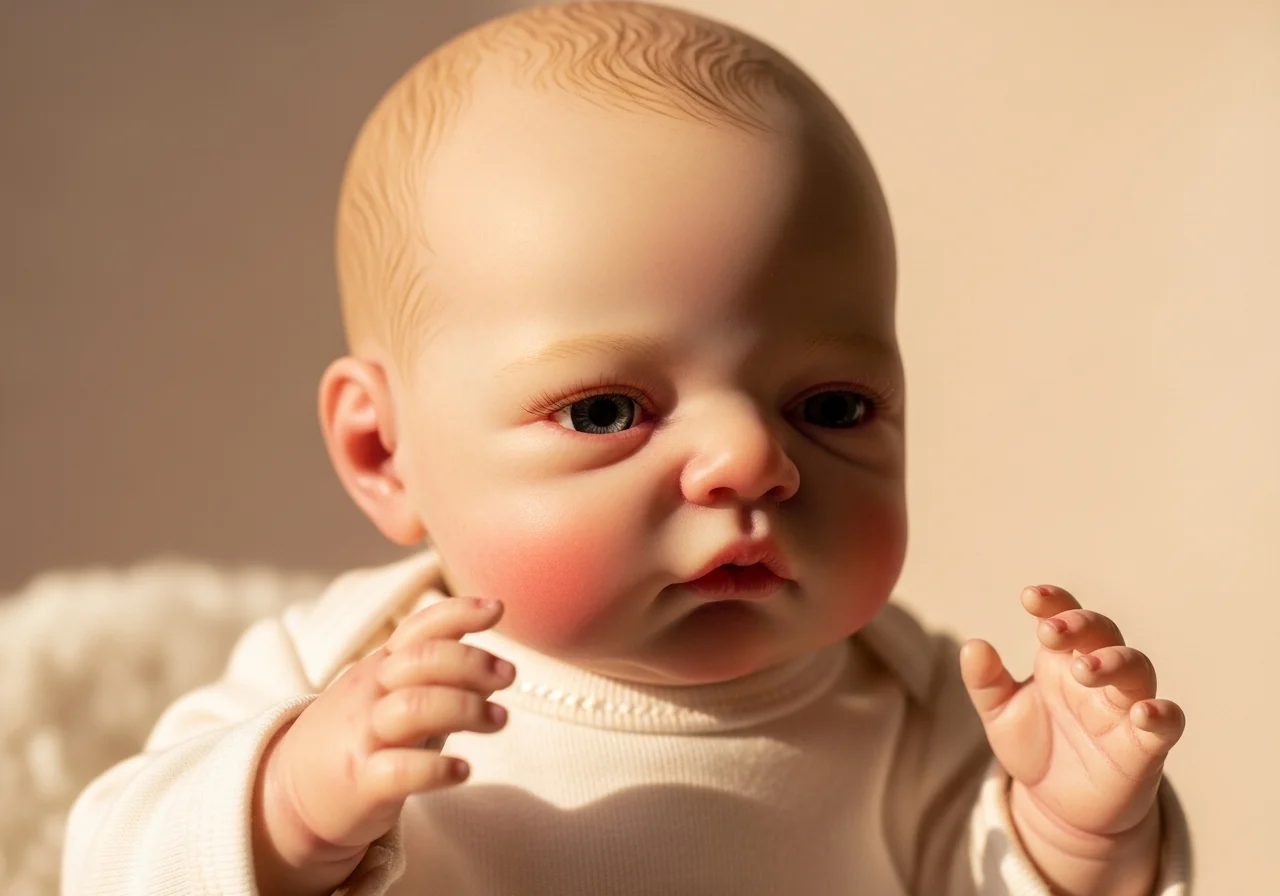
A baby doll with realistic, detailed features naturally engages children's nurturing instincts more effectively than a stylised or cartoon-like doll. Children at 18 months respond well to realistic facial features: eyes that look like real eyes, a mouth that invites pretend feeding, and a skin tone and hair that feel genuine. Realistic features help children project authentic caring behaviours onto the doll, making the play more meaningful and developmentally rich.
Our Top Recommendations for 18-Month-Olds
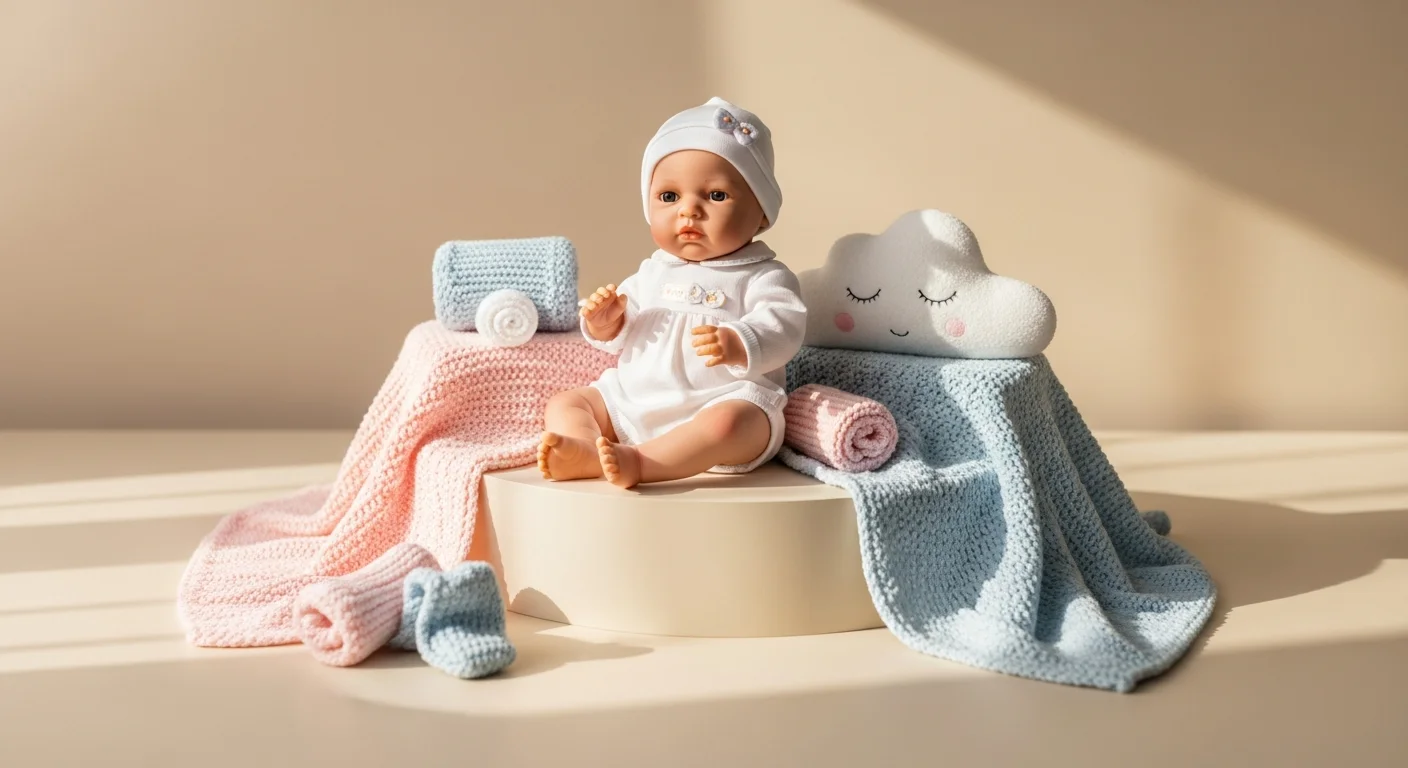
Having considered all the relevant safety and developmental factors, here are our top recommendations for baby dolls for 18-month-olds available in the UK. Each of these dolls meets the safety standards required for this age group and has the design features that support the developmental needs of toddlers at this stage.
Mia Baby Doll by BabyDolls
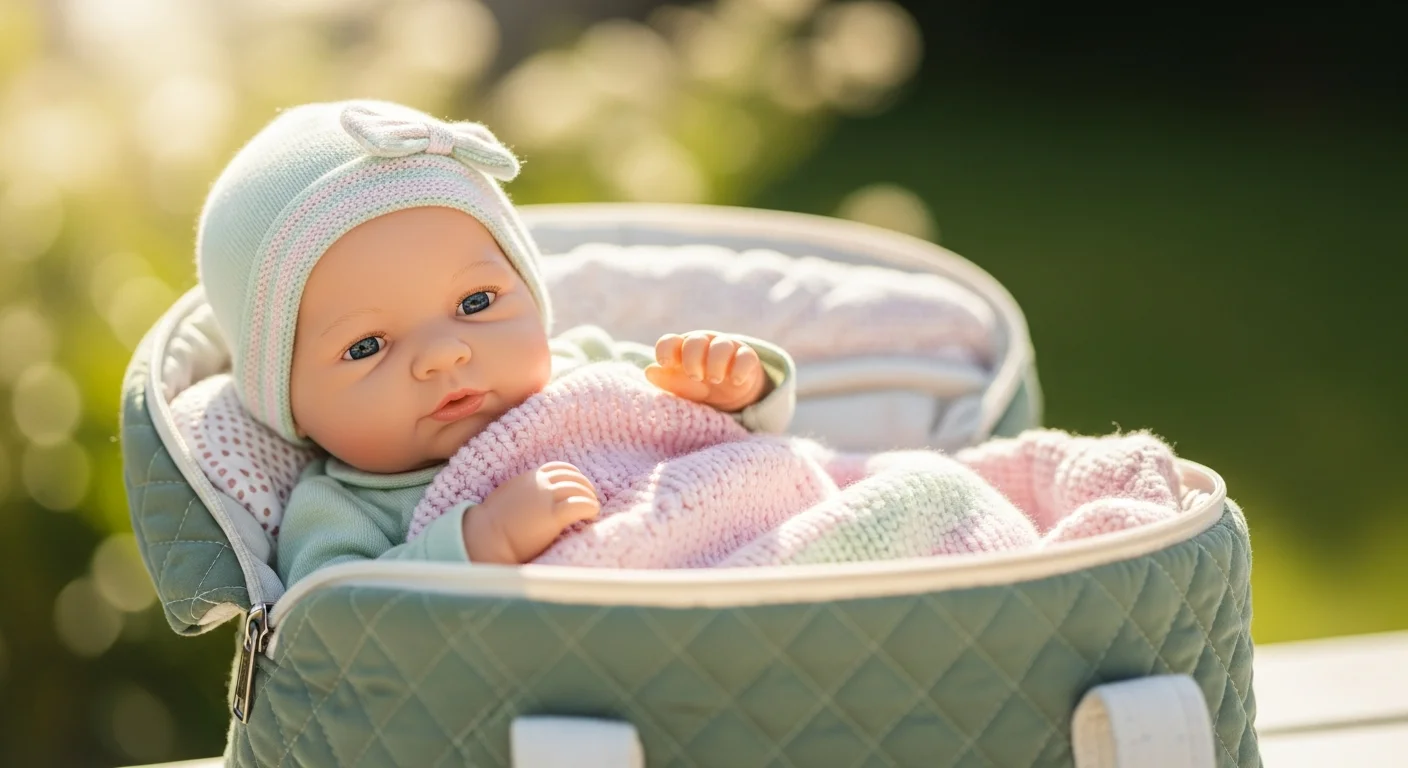
Mia is our best-selling baby doll and an outstanding choice for an 18-month-old first doll. At 28 cm with a soft, hypoallergenic body and detailed vinyl head and limbs, she hits every developmental sweet spot for this age. She has no small parts, a simple removable outfit and the kind of sweet, realistic expression that toddlers immediately respond to. Mia is CE marked and tested to the highest safety standards, giving parents complete confidence in the purchase. Her compatibility with the full BabyDolls accessories range also means she can grow with your child's collection throughout the toddler and pre-school years.
Ellie Baby Doll by BabyDolls
Ellie is another outstanding option for the 18-month age group. Like Mia, she is 28 cm with a soft body and detailed vinyl features. Her slightly different appearance makes her a wonderful alternative to Mia or a perfect companion doll for children who quickly become devoted to their first doll and want a second. Ellie's design is subtly different from Mia's, with her own unique facial features and outfit, making each doll feel genuinely individual.
Daisey Baby Doll by BabyDolls
Daisey brings a cheerful, sunny quality to baby doll play that toddlers love. Her design encourages the kind of happy, positive nurturing play that is characteristic of the 18-month age group at their most joyful. Like all BabyDolls products, she is CE marked, hypoallergenic and designed with the specific developmental needs of toddlers in mind.
When choosing between these options, you cannot go wrong with any of the BabyDolls range. The dolls differ primarily in their facial features, skin tones and outfit designs, allowing you to choose the doll that best reflects the child you are buying for or simply the one that most captures your heart.
Baby Doll Accessories for 18-Month-Olds
While an 18-month-old will get enormous play value from a baby doll alone, accessories significantly extend and enrich the play experience. The key is to choose accessories that are appropriate for this age group: sturdy enough to withstand enthusiastic handling, simple enough to be manageable for small hands, and realistic enough to enhance the nurturing play scenario.
The Baby Doll Pram is one of the most popular accessories for this age group. Pushing a pram is a gross motor skill that 18-month-olds are actively developing, and the combination of walking practice with the nurturing play of transporting their doll makes the pram an extraordinarily rich developmental toy. Our Baby Doll Pram is lightweight and easy to manoeuvre, making it genuinely manageable for toddlers from 18 months with adult supervision.
The Baby Doll High Chair is another excellent accessory for this age group. Mealtime is one of the most familiar and important routines in an 18-month-old's daily life, and recreating this routine in doll play allows children to process their daily experiences and build understanding of their world. The high chair also provides a stable seat for the doll during other types of play, making it a versatile addition to the doll play setup.
- Baby Doll Pram: Supports gross motor development alongside nurturing play
- Baby Doll High Chair: Recreates the important mealtime routine in doll play
- Baby Doll Swing: Encourages soothing, calming play that mirrors comforting behaviours
- Baby Doll Playpan: Creates a dedicated, realistic play space for the doll
Tips for Getting the Most from Baby Doll Play at 18 Months
Even the best baby doll will provide more developmental value when parents and caregivers engage thoughtfully with the play. Here are some practical tips for maximising the benefits of baby doll play with your 18-month-old.
Join the play regularly, but follow your child's lead. Sit with your child while they play with their doll and participate in the scenarios they create. You can extend the play by introducing new language ("Oh, the baby looks hungry! What shall we give her?"), by suggesting new care routines ("Let's give the baby a bath before bedtime") or by adding accessories that open new play possibilities. But always follow your child's direction rather than imposing your own agenda on the play.
Name the doll together. Giving the doll a name is an important early step in imaginative play that children typically enjoy enormously. Asking your child what they would like to call the doll, even at 18 months when they may only be able to point or gesture, begins the process of building a narrative around the doll that deepens over time.
Read books that feature baby dolls or nurturing scenarios alongside doll play. Books about babies, new siblings, caring for animals and similar nurturing themes complement baby doll play beautifully and provide vocabulary and ideas that children then incorporate into their own play.
- Participate in play regularly, following your child's lead
- Name the doll together to build a personal narrative
- Read books about babies and caring alongside doll play
- Introduce new accessories gradually to maintain interest
- Allow messy play: pretend bathing, feeding and dressing all involve productive mess
- Comment on the doll's "feelings" to develop emotional vocabulary
- Include doll play in daily transitions to make routines smoother
Common Questions from UK Parents
Shopping for toys for very young children raises many questions, and baby dolls for 18-month-olds are no exception. Here are answers to some of the questions we receive most frequently from UK parents.
 SAVE 50%
Mia is a beautiful 28 cm soft-body baby doll with a removable outfit, safe for children aged 18 months and above. A firm favourite across the UK.
Frequently Asked Questions
Is a baby doll safe for an 18-month-old?
Yes, provided you choose a doll that is specifically designed and CE marked for this age group. Look for dolls with no small detachable parts, soft bodies, and non-toxic materials. All dolls in the BabyDolls range are CE marked and suitable from 18 months.
What size baby doll is best for an 18-month-old?
A doll between 25 and 30 cm is ideal for the 18-month age group. This size is easy for small arms to carry, proportioned realistically enough to engage nurturing instincts, and fits well with accessories like prams and high chairs. Our dolls are all 28 cm, which is the perfect size for this age.
Should I buy a boy or girl baby doll for my 18-month-old?
Baby doll play is developmentally valuable for all children regardless of gender. If you are buying for a child whose preferences are not yet clearly expressed, a gender-neutral presentation works well. If the child is already showing a preference, follow their lead. The developmental benefits of baby doll play are identical for all children.
Is a baby doll a good first toy for an 18-month-old?
Baby dolls are among the very best toys for the 18-month developmental stage. They support multiple areas of development simultaneously, including language, emotional intelligence, fine motor skills and social understanding, making them exceptional value for the price.
How do I introduce a baby doll to my toddler?
Simply place the doll where your toddler can find and interact with it naturally, and let their curiosity drive the initial introduction. You can model simple nurturing behaviours, rocking the doll, "feeding" it, or tucking it in, and your toddler will naturally begin to imitate these actions.
Can an 18-month-old play with doll accessories?
Yes, but choose accessories carefully. The pram and high chair are excellent starting accessories as they support gross motor skills and mealtime play respectively. Avoid accessories with very small parts that could present choking hazards.
How do I clean a baby doll?
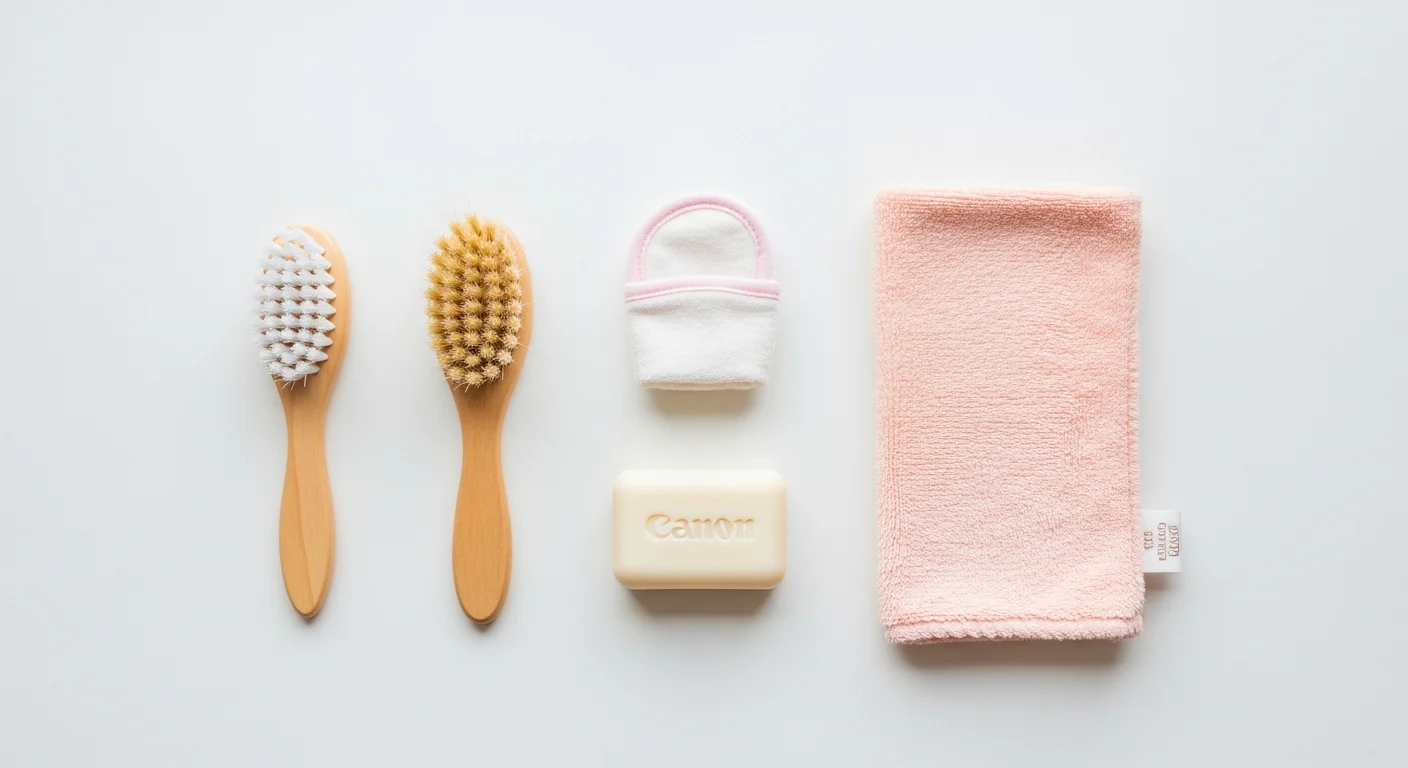
For most vinyl and soft-body dolls, the vinyl parts can be wiped clean with a damp cloth and mild soap, while the fabric body can be spot cleaned. Removable clothing can usually be hand washed in cool water. Always check the manufacturer's specific care instructions.
Are baby dolls educational?
Absolutely. Baby doll play is recognised by early years educators and developmental psychologists as one of the most educationally valuable forms of play for the toddler and pre-school age group. It supports language, emotional development, fine motor skills, social understanding and cognitive development simultaneously.
Practical Tips for Getting the Most From Baby Doll Play
Understanding the benefits of baby doll play is one thing, but knowing how to support and encourage it in your own home is equally important. These practical suggestions will help you create an environment where your child can get the maximum developmental benefit from their doll play experiences.
- Introduce simple problem-solving scenarios into doll play. Suggest that the doll is feeling poorly, has lost a shoe or cannot reach a toy. Watch how your child responds and gently support them in finding creative solutions.
- Encourage your child to care for their doll as part of daily routines. Including the doll at mealtimes, during bedtime routines and on family outings helps children practise real-world social skills in a natural, playful context.
- Use doll play as a bridge for difficult conversations. If your child is starting nursery, visiting the dentist or expecting a sibling, acting out these scenarios with a doll can reduce anxiety and build understanding in a safe, controlled way.
- Rotate accessories and scenarios every few weeks to keep play fresh and engaging. Introduce a new blanket, a feeding set or a seasonal prop to spark new storylines and maintain your child's interest over the long term.
- Set aside at least 15 to 20 minutes each day for uninterrupted doll play. Children benefit most from play that is sustained and unrushed, giving them the time to develop complex narratives and explore different scenarios without pressure.
- Join in with your child's doll play regularly, but let them lead. Follow their narrative, ask open-ended questions about what is happening in the story, and resist the temptation to direct the play. Children learn most when they feel ownership of their play experience.
Remember that every child approaches doll play differently. Some will be drawn to nurturing and caring scenarios, while others prefer adventure and exploration. Both approaches are equally valuable, and the best thing you can do as a parent or carer is to support whatever direction your child's imagination takes them.
Understanding the UK Market for Baby Dolls and Accessories
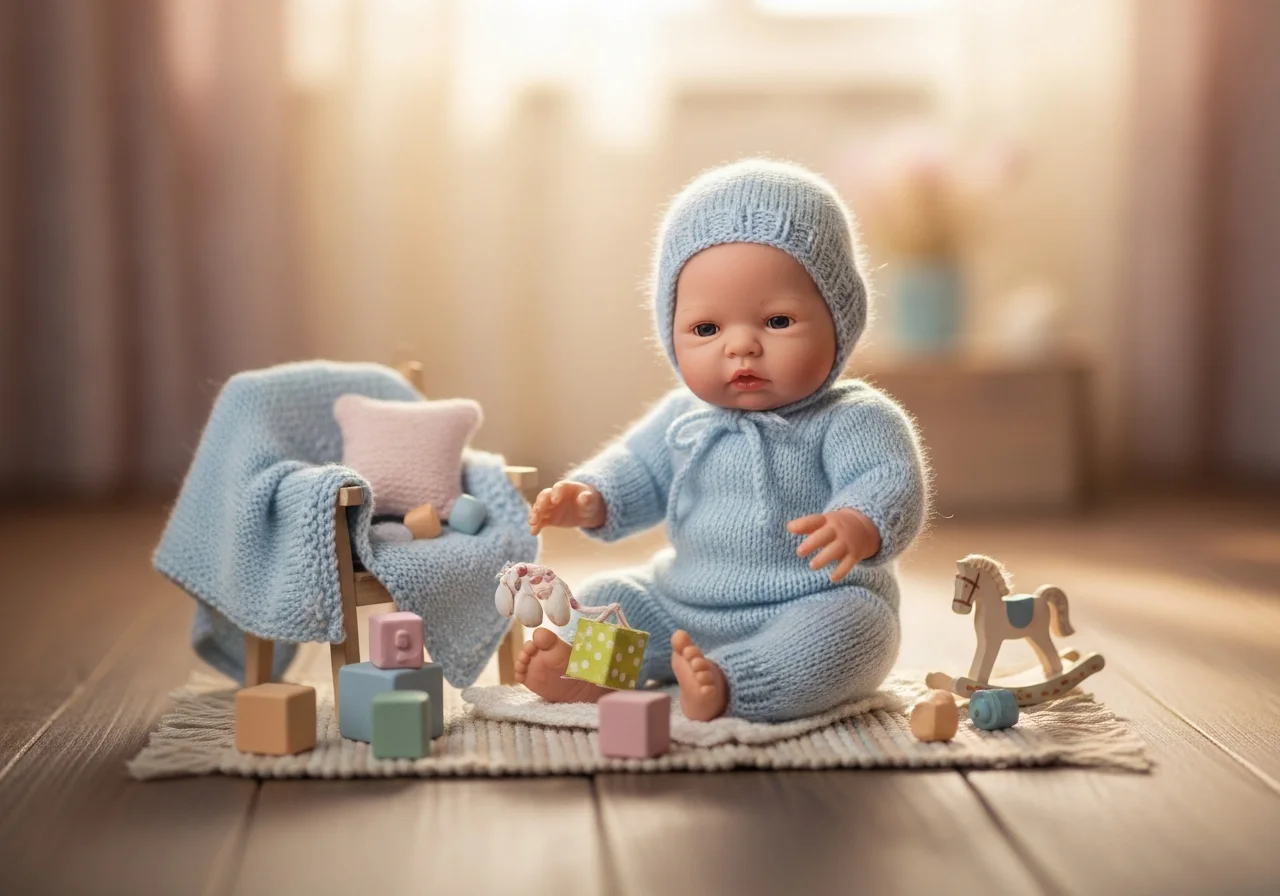
The UK toy market has evolved significantly in recent years, with parents increasingly seeking toys that combine play value with genuine developmental benefits. Baby dolls remain one of the most consistently popular categories, with UK sales growing steadily as research continues to highlight the educational and emotional value of nurturing play.
When shopping for baby dolls in the UK, safety should always be your first priority. All toys sold in the UK must carry the CE marking, which confirms compliance with the Toy Safety Directive. This covers everything from material safety and small parts testing to chemical content and mechanical durability. At BuyBabyDolls.com, every product in our range meets or exceeds these requirements, giving you complete confidence in the quality and safety of your purchase.
UK parents are also increasingly conscious of sustainability and ethical manufacturing. Many families now look for dolls made from recyclable or sustainable materials, with transparent supply chains and responsible production practices. This shift reflects a broader awareness of environmental issues and a desire to model responsible consumption for the next generation.
Price is naturally a consideration for most families, and the good news is that high quality baby dolls are available across a wide range of price points. You do not need to spend a fortune to find a doll that will provide years of developmental play. What matters most is choosing a doll that is well made, safe and appropriate for your child's age and interests. Our range at BuyBabyDolls.com includes options to suit every budget, from affordable starter dolls to premium sets with multiple accessories.
The UK also has a strong tradition of supporting children's play through the Early Years Foundation Stage (EYFS) framework, which recognises imaginative and role play as essential components of early childhood education. Baby doll play aligns directly with several EYFS learning areas, including Personal, Social and Emotional Development, Communication and Language, and Physical Development. This makes baby dolls not just a toy purchase, but an investment in your child's education.
A Deeper Look at Child Development Through Doll Play
The developmental benefits of baby doll play extend far beyond what many parents initially realise. While most people understand that dolls encourage nurturing behaviour, the full picture is much richer and more scientifically grounded than casual observation might suggest.
Cognitive Development and Executive Function
When children engage in doll play, they are exercising their executive function skills, which are the mental processes that help us plan, focus attention, remember instructions and manage multiple tasks. Creating a play scenario requires a child to hold a narrative in mind, sequence events logically, adapt when things change and shift between different character perspectives. These are exactly the skills that predict academic success in later years.
Research from the University of Cambridge has shown that children who engage regularly in pretend play, including doll play, demonstrate stronger working memory and cognitive flexibility than children who primarily engage in structured, rule-based activities. This does not mean structured activities are not valuable, but it highlights the unique cognitive workout that imaginative play provides.
Language and Communication Skills
Doll play is one of the richest natural contexts for language development. When children talk to their dolls, narrate play scenarios and engage in dialogue between characters, they are practising vocabulary, sentence structure, conversational turn-taking and narrative skills. Studies have consistently shown that children who engage in regular pretend play develop larger vocabularies and more sophisticated language structures than their peers.
This is particularly significant for children who may be slower to develop language skills. The low-pressure, self-directed nature of doll play creates an environment where children feel safe to experiment with words and expressions without the social anxiety that can accompany conversations with adults or peers.
Emotional Regulation and Resilience
Perhaps one of the most valuable developmental functions of doll play is its role in helping children process and regulate their emotions. When a child acts out scenarios involving sadness, frustration, fear or excitement with their doll, they are developing the emotional vocabulary and coping strategies that will serve them throughout their lives.
Child psychologists frequently observe that children who have experienced stressful events will naturally gravitate towards doll play as a way of processing their experiences. The doll becomes a safe proxy through which the child can explore difficult feelings without direct personal exposure. This is why doll play features so prominently in play therapy approaches used by professional child therapists across the UK.
Seasonal Ideas for Baby Doll Play Throughout the Year
One of the wonderful things about baby doll play is how naturally it adapts to different seasons and occasions. Here are some ideas for keeping doll play fresh, engaging and connected to the world around your child throughout the year.
Spring and Easter
Spring is a perfect time for outdoor doll play. Take dolls on nature walks, create a spring garden for them or organise a doll's Easter egg hunt. You could also use this season to introduce themes of new life and growth, connecting doll play to the natural world and encouraging observation and curiosity about the changing seasons.
Summer Adventures
Summer opens up wonderful opportunities for water play with bath dolls, garden picnics, and outdoor adventures. Pack a bag for the doll when going on family outings and encourage your child to care for their doll in different environments. Summer is also a great time for social doll play, with playdates and garden parties providing opportunities for cooperative play with other children and their dolls.
Autumn and Back to School
As the weather turns and children return to nursery or school, doll play can help ease the transition. Set up a pretend classroom for dolls, practise school routines through play and use the doll as a tool for discussing feelings about new experiences. Autumn is also a lovely time for cosy indoor play, with dolls being tucked into blankets and cared for during imaginary rainy days.
Winter and Christmas
Winter brings opportunities for festive doll play, from wrapping presents for dolls to including them in family celebrations. A new doll or accessory makes a wonderful Christmas gift, and the excitement of the season provides rich material for imaginative play scenarios. Winter is also a time when the comfort of a beloved doll is especially meaningful for young children.

How Baby Doll Play Evolves at Different Ages
Understanding how children engage with baby dolls at different stages of development helps you provide the right support and resources at each age. While every child is unique, there are general patterns that most children follow as their play becomes increasingly sophisticated.
18 Months to 2 Years: Exploration and Imitation
At this age, children are primarily engaged in simple imitative play. They will copy actions they have observed, such as feeding, rocking and cuddling a doll. Play tends to be brief and focused on single actions rather than sequences. The best dolls for this age are soft bodied, simple and easy to hold. Our Mia Baby Doll is particularly popular with families at this stage because of her gentle features and manageable size for small hands.
2 to 3 Years: Emerging Narratives
By age 2, children begin to link play actions into simple sequences. They might feed the doll, then put it to bed, then wake it up again. Language starts to accompany play more consistently, and children begin to attribute emotions to their dolls. This is when accessories like the Baby Doll Pram become particularly valuable, as they add new dimensions to play narratives.
3 to 5 Years: Rich Imaginative Play
This is often considered the golden age of doll play. Children create elaborate scenarios, develop consistent characters, engage in extended dialogue and incorporate dolls into complex social play with peers. They may assign names, personalities and histories to their dolls, and play sessions can last for extended periods. Multiple accessories such as the Baby Doll High Chair and Baby Doll Swing help support these richer play narratives.
5 to 7 Years: Sophisticated Social Play
Older children use dolls as characters in increasingly complex social dramas. They explore themes of friendship, fairness, rules and relationships through their play. Doll play at this age often involves cooperative scenarios with siblings or friends, and children may begin to create elaborate environments and ongoing storylines that develop over days or weeks.
Common Mistakes Parents Make With Baby Doll Play
Even well-intentioned parents can sometimes inadvertently limit the developmental value of their child's doll play. Being aware of these common mistakes can help you create a more supportive and enriching play environment.
- Over-directing the play: It is natural to want to show your child how to play, but too much direction can actually limit their creativity and problem-solving. Try to follow your child's lead and let them drive the narrative. Your role is to be an engaged, responsive play partner rather than a play director.
- Limiting doll play to one gender: Research consistently shows that boys benefit just as much from nurturing doll play as girls. Baby dolls help all children develop empathy, emotional intelligence and caring skills regardless of gender. Encouraging doll play for all children is supported by child development experts across the UK.
- Choosing complexity over appropriateness: It can be tempting to buy the most feature-rich doll available, but simpler dolls often provide more developmental value. A doll that does everything for the child leaves little room for imagination. Choose dolls that are appropriate for your child's age and developmental stage, and let their imagination fill in the gaps.
- Neglecting to refresh the play environment: Children can lose interest if their play options never change. Rotating accessories, introducing new scenarios and occasionally adding a new item to the play collection helps maintain engagement and encourages new types of play.
- Not joining in: One of the most powerful things a parent can do is participate in their child's doll play. Your presence validates the importance of the play, models more sophisticated play techniques and strengthens the bond between you and your child. Even 10 minutes of engaged, responsive participation can make a significant difference.
- Comparing your child's play to others: Every child develops at their own pace and has their own play style. Some children are naturally drawn to nurturing play, while others prefer action and adventure with their dolls. Both approaches are equally valuable, and the worst thing a parent can do is suggest that there is a right or wrong way to play.
The most important thing to remember is that doll play should be enjoyable, child-led and free from pressure. When children feel safe and supported in their play, they naturally gravitate towards the kinds of experiences that support their development.
 SAVE 50%
Bella is a beautiful 28 cm baby doll with sparkling blue eyes and a fair complexion, crafted with a soft huggable body for safe, loving play from 18 months.
What Child Development Experts Say About Baby Doll Play
The value of baby doll play is not just anecdotal. It is supported by a growing body of research and endorsed by child development professionals across the UK and internationally. Understanding what the experts say can help you feel confident in the choices you make for your child's play experiences.
Developmental psychologists have long recognised that pretend play is not simply entertainment for young children. It is one of the primary mechanisms through which children learn about themselves, others and the world around them. Baby doll play is particularly valued because it provides a safe, controllable context for exploring complex social and emotional themes.
The Early Years Foundation Stage framework, which guides early childhood education across England, explicitly recognises the importance of imaginative play in children's learning and development. Baby doll play aligns with multiple areas of the EYFS, including Communication and Language, Personal, Social and Emotional Development, Physical Development and Understanding the World.
Occupational therapists working with young children frequently incorporate doll play into their practice. The fine motor demands of dressing dolls, fastening buttons, manipulating accessories and managing small items provide valuable exercise for the small muscles of the hands and fingers. These are the same muscles that children will need for writing, drawing and other academic tasks in later years.
Speech and language therapists also recognise the value of doll play for supporting communication development. The natural narrative structure of doll play, where children create characters, describe actions and generate dialogue, provides a rich and motivating context for language practice. This is especially valuable for children who may be reluctant to engage in more formal language activities.
Creative Play Ideas to Try at Home
Sometimes all it takes is a simple suggestion to spark a whole new direction in your child's doll play. Here are some creative play ideas that you can introduce at home to keep doll play fresh, engaging and developmentally rich.
- Doll's Day Out: Pack a small bag with essentials for the doll and take them on a family outing. Your child can practise packing, planning and caring for their doll in different environments. Whether it is a trip to the park, a visit to the shops or a day at the beach, including the doll adds a wonderful layer of imaginative play to everyday activities.
- Baby Doll Clinic: Set up a simple pretend doctor's surgery where your child can examine their doll. This is a wonderful way to prepare children for real medical visits and helps them process any anxiety about doctors, dentists or hospitals. Use simple props like a toy stethoscope, bandages and a notepad for prescriptions.
- Bedtime Routine Role Play: Encourage your child to create a complete bedtime routine for their doll, including a bath, pyjamas, teeth brushing, a bedtime story and tucking in. This not only supports your child's own bedtime routine but also develops sequencing skills and an understanding of daily structure.
- Cooking and Mealtimes: Use play food and the Baby Doll High Chair to create mealtimes for the doll. Children can prepare pretend meals, set the table, feed the doll and clean up afterwards. This type of play supports numeracy through counting and sorting, social skills through sharing and turn-taking, and domestic life skills.
- Doll School: Set up a small classroom where your child can teach their dolls. This is particularly effective for children who are starting nursery or school, as it allows them to process the experience from a position of confidence and control. Provide paper, crayons and simple books for the doll's lessons.
- Outdoor Nature Walk: Take the doll in the Baby Doll Pram for a nature walk. Point out flowers, birds, leaves and other natural features, and encourage your child to show these things to their doll. This combines physical activity, nature connection and imaginative play in a single activity.
The beauty of these play ideas is that they require very little equipment or preparation. The most important ingredient is your willingness to engage with your child's imagination and follow their lead as they create their own unique play worlds.
Products From BuyBabyDolls.com That We Recommend
The quality of toys matters enormously when it comes to developmental play. Poorly made products can frustrate children and limit the play opportunities we have been discussing throughout this guide. At BuyBabyDolls.com, we stock only products that meet our rigorous standards for safety, durability and play value.
- Bella Baby Doll: Bella is a wonderfully detailed baby doll with lifelike features that encourage realistic role play. Her soft vinyl skin and gentle expression make her a comforting companion for children learning to care and nurture. Bella comes with her own outfit and is designed to be durable enough for everyday play while being gentle enough for the most tender moments.
- Daisey Baby Doll: Daisey is a charming 28 cm baby doll with a soft, huggable body and beautiful painted features. She is the perfect size for small hands and inspires nurturing play in children from 18 months onwards. Many parents tell us that Daisey quickly becomes their child's favourite companion for pretend feeding, sleeping and caring routines.
- Ellie Baby Doll: Ellie is designed to encourage imaginative play and emotional development in young children. With her realistic features and carefully crafted outfit, Ellie invites children into rich role play scenarios where they practise empathy, communication and caring skills. She is lightweight and easy for small children to carry, dress and cuddle.
- Mia Baby Doll: One of our most loved baby dolls, Mia features a beautifully soft body that is perfect for cuddles and nurturing play. Her expressive face and removable outfit make her an ideal first doll for toddlers and young children. Parents across the UK consistently praise Mia for her quality construction and the way children naturally bond with her during imaginative play sessions.
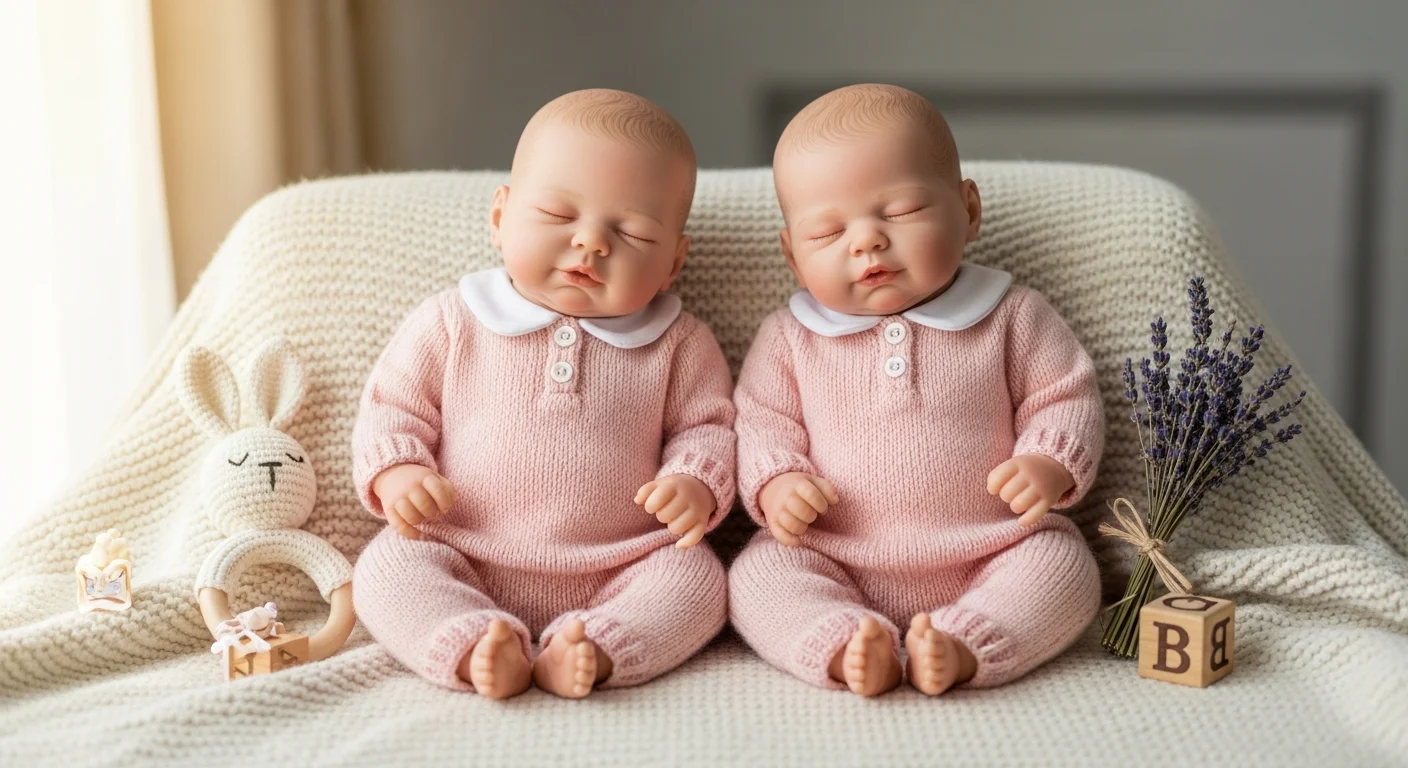
- Twin Baby Dolls Set: Our Twin Baby Dolls Set doubles the fun and doubles the developmental benefits. Children who play with twin dolls naturally develop more complex social scenarios, practise sharing and taking turns, and build more elaborate imaginative narratives. This set is particularly popular with families preparing a child for a new sibling.
- Baby Doll High Chair: Our Baby Doll High Chair transforms mealtimes into rich imaginative play experiences. Children love seating their dolls, preparing pretend meals and practising the social rituals of family dining. This accessory encourages role play, fine motor skills and social development, and is built to last through years of daily play.
- Baby Doll Playpan: The Baby Doll Playpen gives children a designated space for their doll, encouraging organisational thinking and domestic role play. Children who use a playpen in their doll play often develop more structured play narratives and practise the kind of routines they observe in their own family life.
Every product in our range is CE marked, tested to the highest safety standards and designed to provide years of developmental play. Browse the complete BuyBabyDolls.com collection to discover even more options for your family.
Related Articles You Might Enjoy
Continue your reading with these carefully selected articles from our blog. Each one has been written with UK parents, carers and educators in mind, and together they build a comprehensive picture of how baby doll play supports children's growth.
- Best Baby Dolls for 3-Year-Olds UK 2025: What Parents and Experts Recommend
- Best Baby Dolls for 2-Year-Olds UK 2025: Expert Buying Guide for Parents
- The Best Baby Dolls of 2025: Our Expert Round-Up for UK Parents
- Best Baby Dolls for 4-Year-Olds UK 2025: Creative Play Picks for Parents
- Best Baby Dolls for 5-Year-Olds UK 2025: Inspiring Play for the Pre-School and Early School Years
- Best Baby Dolls for 6-Year-Olds UK 2025: Top Picks for Creative Children
- Best Baby Dolls for Toddlers UK 2026: Our Complete Expert Buying Guide
- Complete Baby Doll Buyer's Guide 2025 UK: Everything You Need to Make the Right Choice
Final Thoughts
Choosing the right baby doll for an 18-month-old is a genuinely rewarding investment in your child's development and happiness. The best dolls for this age are soft-bodied, appropriately sized, CE marked for safety, and designed with the developmental needs of toddlers in mind. The BabyDolls range has been developed with all of these considerations at its heart, making it an outstanding choice for UK parents seeking the very best for their toddlers. Whether you choose Mia, Ellie, Daisey or any other doll from the range, you can be confident that you are giving your child a toy that will provide genuine developmental value alongside hours of pure, joyful play. Pair your chosen doll with one or two carefully selected accessories to create a play experience that grows with your child through the toddler and pre-school years and beyond.
Leave a Comment